Traveling With a Medically Complex Child: Tips for Families and Caregivers
Posted: July 09, 2026Trips and vacations are vital for making lasting family memories, but traveling with a child who has medical complexities comes with unique challenges. However, it is not impossible. With the right preparation, your family can safely enjoy your travel experience.
Dr. Rebekah Shappley, medical director of the Complex Care Clinic at Le Bonheur Children’s, shares a comprehensive roadmap to help you plan a safe, memorable adventure.
Start Small to Build Confidence
If you are nervous about traveling, start small. Plan an overnight or weekend trip to visit family or a nearby destination. As you begin, you will gain confidence in your travel routines, which will prepare you for the next, larger adventure.
Preparation is key to dramatically reducing stress. When choosing destinations, consider your comfort level with the distance from a major medical center or children's hospital that has the specialized resources you might need. As you plan, research the accessibility of lodging, activities and transportation in that location.
Preparing for Plan A and Plan B
A general principle of travel medicine is to prepare for your primary plan while always having a backup strategy. Think through "what-if" scenarios. For example, plan not only for the flight you are taking, but also for a potential flight delay. Extra feeding supplies, emergency medications and suction catheters should be kept in your easily accessible carry-on luggage.
A good rule of thumb is to bring at least twice as many supplies as you think you will need. This is especially true for:
- Medications and emergency medicines
- Feeding and oxygen supplies
- Suction catheters
- Batteries and chargers
- Incontinence supplies
Create a Medical Summary
Before you leave, compile a portable medical packet to keep with you at all times. This packet should include:
- An updated medication list: Include exact dosages and frequencies.
- A medical history summary: Carry a printed copy of your child's diagnoses and history. While patient portals are excellent for real-time information sharing, electronic systems can experience outages.
- Contact information: Keep numbers for your child's specialists and primary care team handy.
- Local emergency info: Know the location and phone number of the nearest children's hospital or emergency department before you arrive.
Give Yourself Permission to Slow Down
Traveling with children is hard; traveling with a child who has medical complexities is harder. But the memories made are priceless. Know that you do not have to travel like everyone else, and remember that some of the best moments happen during unplanned detours. I often find this is where the "vacation" part of the trip actually happens.
You may find that your family needs more rest breaks, fewer activities each day, longer mealtimes or extra downtime at the hotel. This is perfectly okay. See that your child’s medical complexity does not limit your family’s experiences.
Specific Technology and Equipment Guidelines
If your child relies on specific medical technology, here are targeted strategies to ensure a smooth journey.
For Children with Feeding Tubes
- Pack a surplus: Bring at least twice the amount of formula, feeding bags, tubing, extension sets, syringes, buttons, replacement tubes, tape and skin-care supplies. Travel delays happen, and extra supplies provide peace of mind.
- Keep carry-ons essential: Never put formula, feeding pumps, daily medications or any supplies needed during transit in checked luggage. Assume that checked luggage can be delayed or lost.
- Pack a 24-hour "go-bag:” Keep one small bag with you that contains enough formula, medications, syringes, extension tubing, cleaning supplies and a change of clothes to last a full day.
- Verify formula options: If your child uses a commercially available formula, identify stores near your destination that carry it. For specialty formulas, consider shipping supplies directly to your hotel in advance.
For Children Who Use Wheelchairs
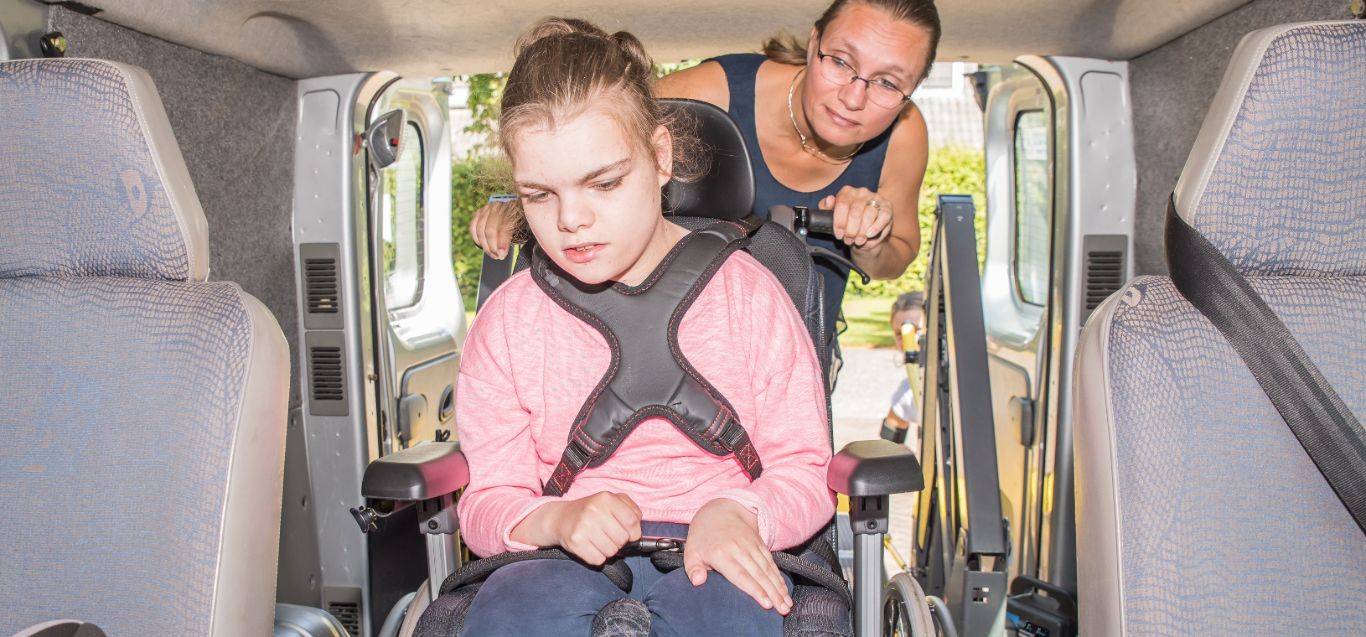
- Document equipment before flying: Before handing a wheelchair over to an airline, photograph the chair from all sides, including any accessories and seating systems. Remove detachable items when possible. This documentation is invaluable if damage occurs during the flight.
- Label everything: Place your contact information directly on the wheelchair, cushions, chargers, adaptive equipment and medical bags.
- Practice transfers: Air travel often requires transfers to a narrow aisle chair or other seating. Talking through this process beforehand can significantly reduce anxiety for both you and your child.
- Call hotels directly: "Accessible" can mean different things to different properties. Call ahead and ask specific questions: Are the rooms truly accessible? Is the bathroom wheelchair accessible? Is there a roll-in shower? Are the doorways wide enough?
- Use a luggage cart: Medical equipment adds up quickly. A small, folding wagon or luggage cart can be a lifesaver in airports and hotels.
For Children on Oxygen
- Consult your pediatrician first: Speak with your child's physician before booking, especially if you are traveling by airplane or visiting a high-altitude destination like the mountains. Airplanes travel at high altitudes where oxygen concentration is lower. Certain medical conditions, particularly congenital heart defects, chronic lung conditions and anemia, can be highly sensitive to these altitude changes.
- Contact the airline early: Every airline has specific policies regarding oxygen and approved portable oxygen concentrators (POCs). Contact the airline's accessibility desk well before your trip.
- Bring extra batteries: Many airlines recommend carrying enough battery power for the entire flight time plus significant extra time to account for tarmac delays. Bring chargers and backup power sources whenever possible.
- Keep oxygen supplies organized: Use a dedicated bag that contains extra tubing, cannulas, batteries, chargers, a pulse oximeter and emergency contact information.
For Children with Tracheostomies
- Pack an emergency tracheostomy kit: This kit must stay within arm's reach of your child at all times. It should include suction catheters, extra trach ties, water-soluble lubricant, replacement tracheostomy tubes (both the current size and one size smaller), scissors and emergency bag-mask equipment.
- Ensure portable power: If you use portable suction equipment, verify that all batteries are fully charged before leaving, and pack all necessary charging cords and adapters.
- Keep supplies accessible: Never pack essential tracheostomy supplies in checked baggage or in an overhead bin where they cannot be reached immediately. In an emergency, these items must be an arm's length away.
Remember, traveling with a child who has complex medical needs may take more preparation, but it should not take away from the joy of making new memories.
Want to learn more about General Pediatrics at Le Bonheur?
General PediatricsWant to find an appointment for your child?
Call 1-866-870-5570.
Related Articles