Chickenpox 101: Symptoms, Risks and Prevention
Posted: August 06, 2026Q&A with Dr. Sandra Arnold, Division Chief of Pediatric Infectious Diseases and Medical Co-Director of Antimicrobial Stewardship at Le Bonheur Children’s Hospital
Although chickenpox is much less common today, questions about the disease and its potential risks remain. To help parents and caregivers better understand chickenpox, we spoke with Dr. Sandra Arnold, Division Chief of Pediatric Infectious Diseases and Medical Co-Director of Antimicrobial Stewardship at Le Bonheur Children’s Hospital.
In this Q&A, Dr. Arnold explains what causes chickenpox, how it spreads, the symptoms families should watch for and the complications that can occur. She also discusses the connection between chickenpox and shingles, the benefits of immunization and what parents can do to help protect their children and communities from this highly contagious virus.
What is chickenpox?
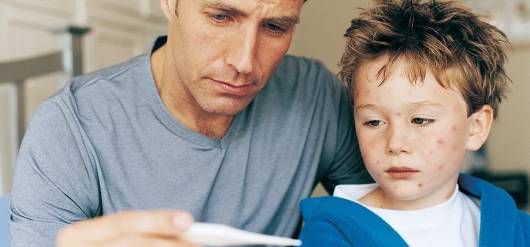
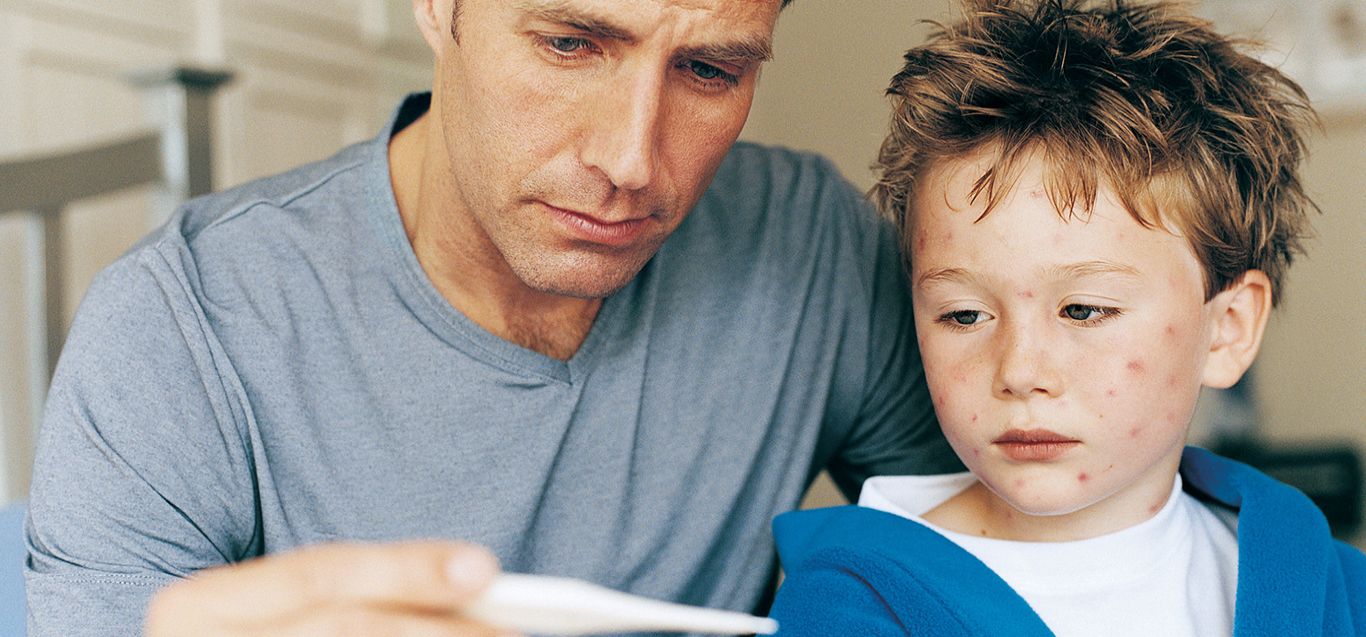
Chickenpox is an infection caused by the varicella zoster virus. It causes a systemic illness that begins with fever, headache and body aches 10-21 days after exposure and one to two days before the appearance of the characteristic rash. The rash of chickenpox is distinct, starting as small bumps that become tiny fluid-filled blisters called vesicles. The vesicles eventually break open and crust over. The vesicles appear in clusters or “crops,” first appearing on the head, face, chest, back or belly, then the neck and followed by the limbs. The lesions are very itchy and can lead to scarring. It can cause mouth sores, which can make eating difficult. It usually takes seven to 10 days for all the sores to crust over.
How does it affect children’s bodies?
The virus spreads throughout the body and can affect many organs, not just the skin. Most children have just a fever and rash. Some have headaches and/or body aches as well. It typically resolves without complications. Complications from the virus are bacterial infections that can enter through the blisters.
How does it spread?
Varicella zoster virus is very contagious. It is spread through the air from an infected person or through direct contact with skin lesions. One person can infect 10-12 people which makes it very contagious, although not quite as contagious as measles.
You cannot get shingles from being around someone who has chickenpox. The virus that causes chickenpox and shingles is called varicella zoster virus, which is part of the herpes virus family. Once a person gets this virus, it stays in the body for life. Most of the time, the virus is inactive, which means it is not causing illness. However, the virus can become active again later and sometimes cause shingles.
The varicella zoster virus stays inactive in certain nerves near the spinal cord. If it becomes active again, it travels along a nerve to the skin and causes shingles. Shingles usually appears as a painful rash with blisters in one area of the body. The rash can spread the virus through direct contact with the blisters, similar to chickenpox. However, because shingles is usually limited to one small area, the chance of spreading it to others is very low if the rash is covered. Unlike chickenpox, shingles does not usually spread through the air. This is only a concern in rare cases when a person with shingles has a very weak immune system and is seriously ill.
Can it be severe for children?
Chickenpox is usually a mild illness that gets better on its own. However, it can sometimes cause serious health problems. Children with weakened immune systems, such as those being treated for cancer or other illnesses, can become very sick. The virus can affect important organs like the lungs, brain and liver. Bacteria can also enter the body through skin lesions and cause skin and other serious infections.
Even healthy children can sometimes develop problems from chickenpox, such as pneumonia (a lung infection) or encephalitis (swelling of the brain). Some children may also develop a condition called cerebellar ataxia, which can make it hard to balance, walk, sit up or use their hands. This problem usually goes away on its own without treatment.
Chickenpox is often more severe in teenagers and adults than in younger children. Before the chickenpox immunization was available, about 4 million people got chickenpox each year in the United States, and 100 to 150 people died from it.
A medicine called acyclovir can help treat chickenpox. It works best when given early in the illness. Doctors often use it for people with weakened immune systems or for those who develop serious complications. If a bacterial infection develops, antibiotics can be used to treat it.
Does it have any long-term effects?
Long-term effects from chickenpox are uncommon. However, complications from the virus or bacteria can result in long-term problems depending on the type of complications and severity.
What is the likelihood of developing shingles?
Shingles is most likely to occur in children with compromised immune systems and in older adults. Shingles can occur in otherwise healthy children who have had chickenpox. The risk of shingles is much lower among those who have received the varicella (chickenpox virus) immunization. However, shingles can still occur if you have been immunized, either from the immunization virus or from a mild, often unrecognized, infection.
How can you prevent the spread of chickenpox?
Chickenpox spreads easily from person to person because you can be contagious with the virus one to two days before the onset of symptoms. Once you know you are infected, you can prevent spread to others who may be vulnerable by staying away from other people until all lesions are crusted over. In vaccinated people whose mild lesions may not blister and crust, they should remain home until no new lesions have appeared for at least 24 hours.
How many doses of Chickenpox immunization are needed, and what is the recommended age?
Varicella immunizations are highly effective in preventing chickenpox. The immunization has been routinely used in the United States since 1995.
It is given as a two-dose series with the first dose given after the first birthday, at the same time as the measles-mumps-rubella (MMR) immunization. The second dose is given at school entry, 4-6 years old. Both doses are required for school entry in Tennessee.
You can receive chickenpox (varicella) immunization at any age if you are not already immune from a previous chickenpox infection or immunization. A blood test is not required before getting immunized because receiving it is safe even if you are already immune.
For children 1–12 years of age, the second dose can be given as soon as three months after the first dose. For people 13 years of age and older, the second dose can be given as soon as one month after the first dose.
Individuals with severely weakened immune systems or who are pregnant should not receive immunization.
Is it safe? What are the possible side effects?
Chickenpox immunization is very safe. Side effects are usually mild and may include pain, redness or swelling at the injection site. Some people may also develop a mild fever, with or without a small rash, seven to 14 days after receiving the immunization.
Will boosters be needed in the future?
Boosters are not routinely recommended.
Does immunization prevent disease altogether?
Two doses of chickenpox immunization are 98% effective in preventing chickenpox when immunization is given at 12-15 months of age. It is close to 100 percent effective in preventing severe chickenpox. Since immunization was introduced in 1995, chickenpox is rare. The number of cases has fallen by 97% and deaths from chickenpox by 99% in children.
Want to learn more about General Pediatrics at Le Bonheur?
General PediatricsWant to find an appointment for your child?
Call 1-866-870-5570.
Related Articles