In Our Own Words: For Physicians, By Physicians
Staying Human in Medicine
Reflections on mental health, burnout and the work that heals us
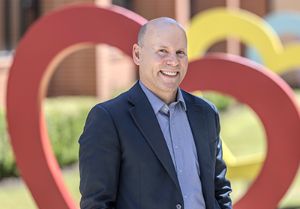
By Donald Bearden, PhD, chief of Pediatric Psychology and Behavioral Health
Physician burnout and mental health challenges are widespread and well-documented. While these issues have existed for decades, they’ve become more visible in recent years and harder to ignore. Like many of my physician colleagues, I’ve felt the emotional and physical toll of working in high-stakes, high-demand environments. That experience has shaped how I think about our well-being, and because of that, I want to highlight what physicians can do to better support their mental health and what practical steps they can take to make a difference.
First, it’s important to recognize that burnout isn’t just an individual issue. It’s a systemic one. While personal strategies like mindfulness, exercise or therapy can help, they don’t address the root causes. Research consistently shows that burnout is driven by factors like excessive workload, administrative burden, lack of autonomy and a culture that discourages vulnerability. Interventions that focus only on individual resilience are often insufficient. System-level changes, such as reducing unnecessary documentation, improving staffing and scheduling and creating protected time for rest and professional development, are more effective in reducing burnout and improving physician well-being.
Wellness programs can also play a role, but not all are equally effective. The most successful programs combined several elements: peer support, confidential access to mental health services, education on coping and burnout and opportunities for social connection. Programs that work well address both individual and organizational needs to improve job satisfaction and emotional health. They also need to be accessible, well-promoted and designed with health care professionals’ real-world schedules and responsibilities in mind.
Another important factor is the hidden curriculum, the unspoken norms and values that shape how we think and behave in medicine. Many of us were trained in environments where asking for help was seen as a weakness, where long hours were a badge of honor and where self-sacrifice was expected. These messages aren’t usually stated outright, but they’re deeply embedded in the culture. They can lead to shame, isolation and reluctance to seek support. Addressing the hidden curriculum means modeling vulnerability and self-care, creating space for honest conversations and challenging outdated norms that equate overwork with dedication.
Access to confidential, stigma-free mental health care is also essential. Despite high rates of depression and anxiety among physicians, many don’t seek help, often due to concerns about licensure, credentialing or professional reputation. However, several strategies can reduce these barriers: removing intrusive mental health questions from licensing applications, offering confidential and easily accessible therapy options and ensuring that mental health resources are designed specifically for physicians. These changes not only support individual well-being but also contribute to better patient care and workforce retention.
We know more than ever about what supports physician mental health. The challenge now is putting that knowledge into practice. It’s not enough to encourage physicians to be more resilient; we need to build systems that support their humanity. That includes creating cultures where it’s safe to speak up, where rest is respected and where mental health is treated as a core part of professional life.
I’ve seen how small changes, a supportive supervisor, a protected hour for reflection, a peer who checks in, can make a big difference. The research backs this up. We have the evidence. Now we need the commitment to act on it.
Help us provide the best care for kids.
Le Bonheur Children's Hospital depends on the generosity of friends like you to help us serve 250,000 children each year, regardless of their family’s ability to pay. Every gift helps us improve the lives of children.
Donate Now